THE PROOF · FOUR OPENINGS, ONE ENDING
Four ways in. One way out.
The guides had to look like they belonged to the same account without looking like they had been made from a fill-in-the-blank. So the variation was spent at the front, where a student decides whether to stop scrolling, and nowhere else.
THE OPENING · FOUR DIFFERENT PIECES OF ART
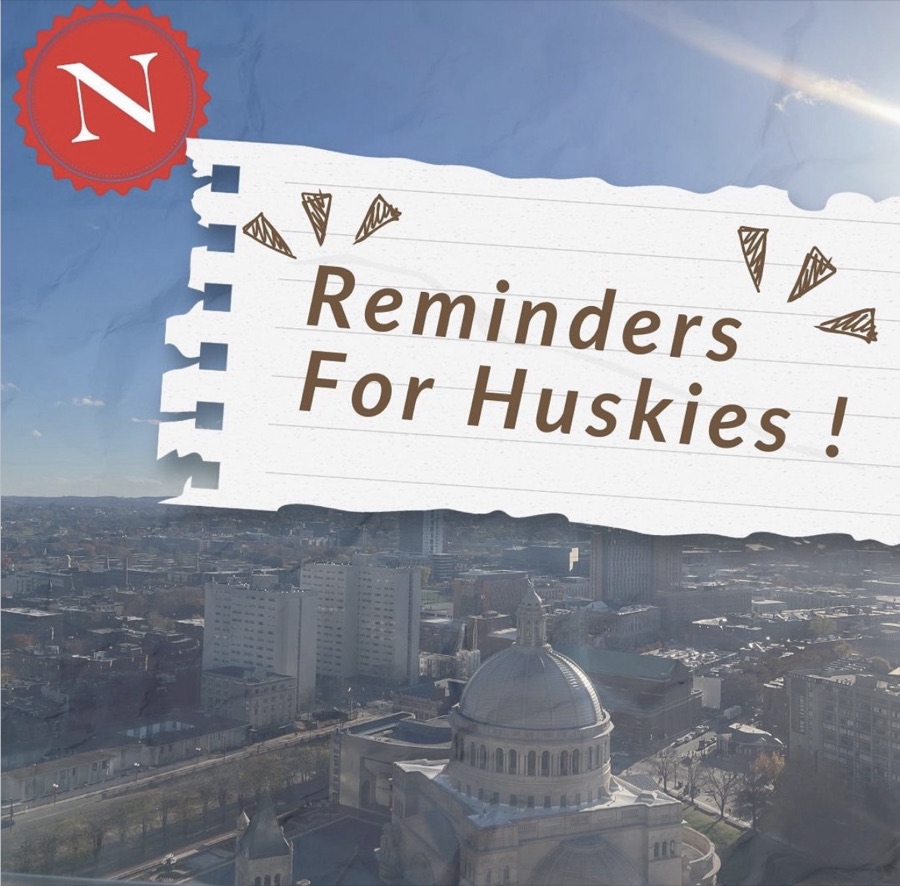
Series card

8.9.2024
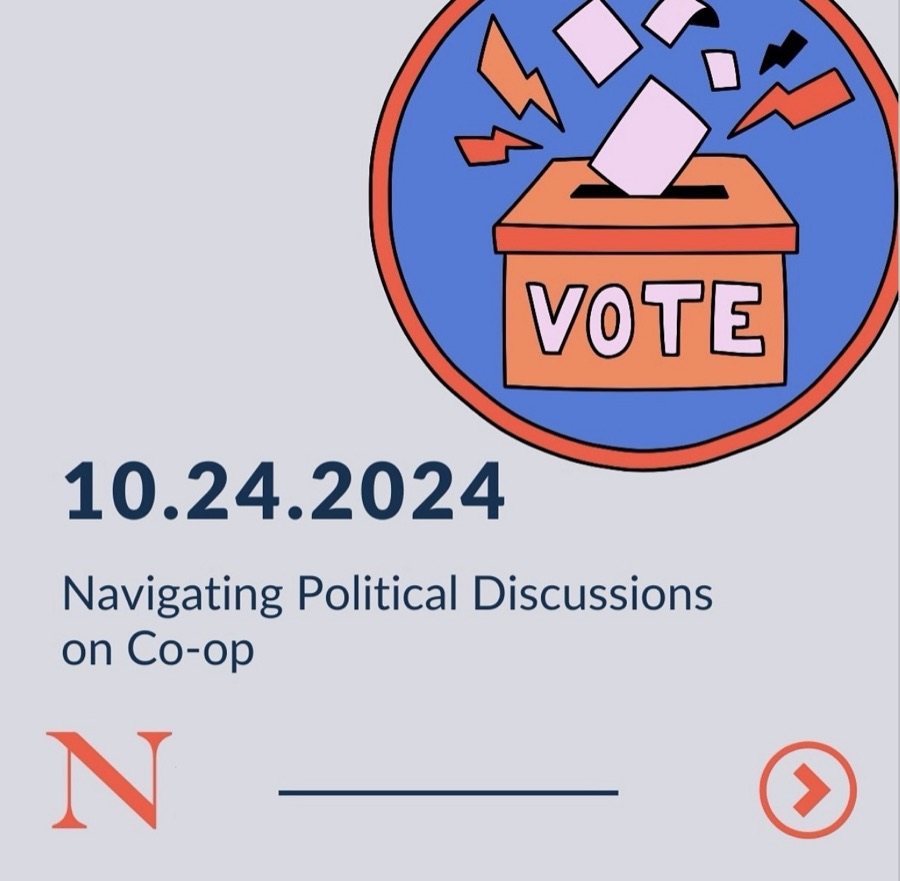
10.24.2024
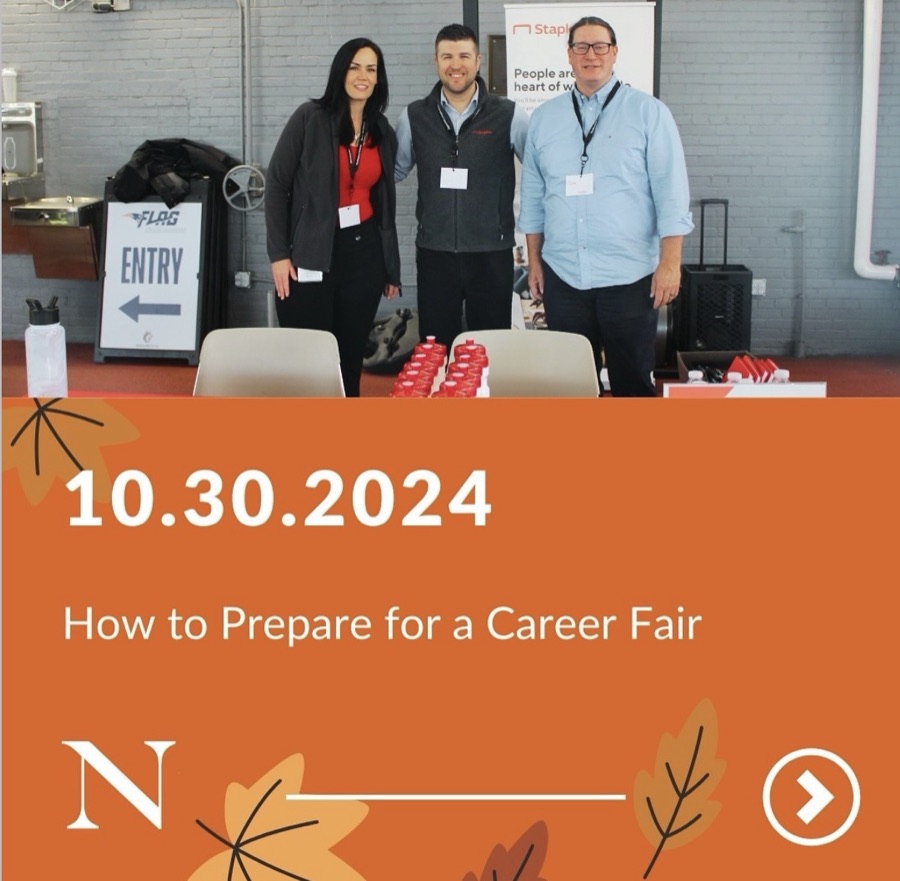
10.30.2024
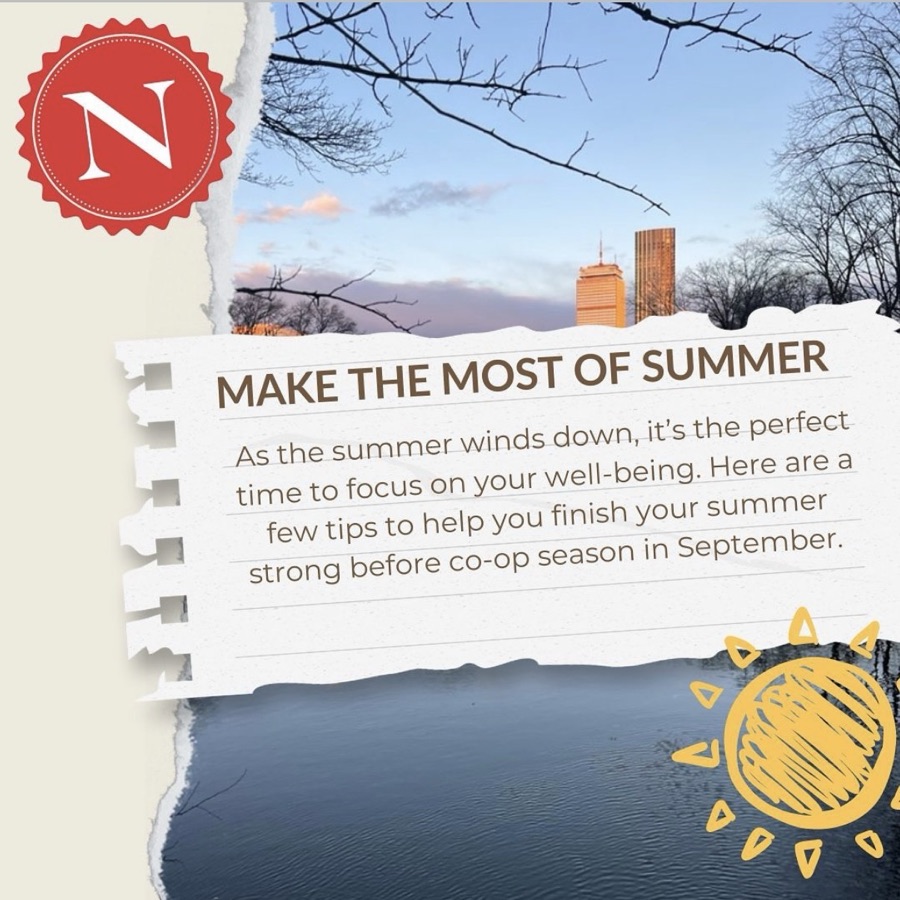
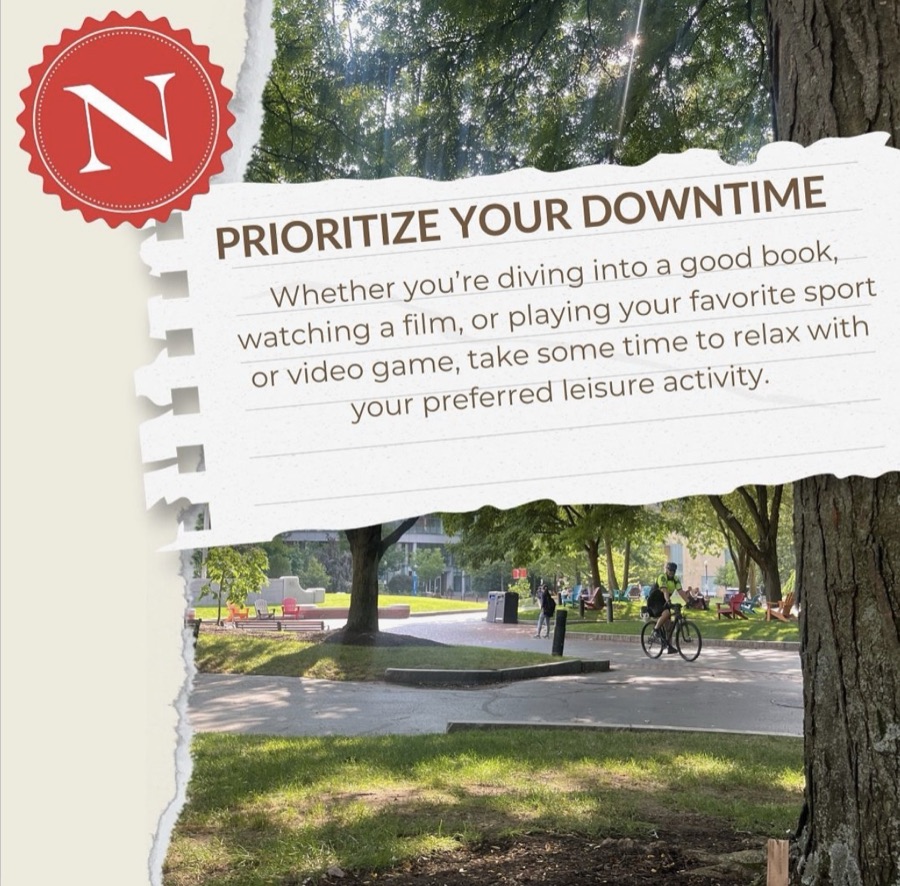
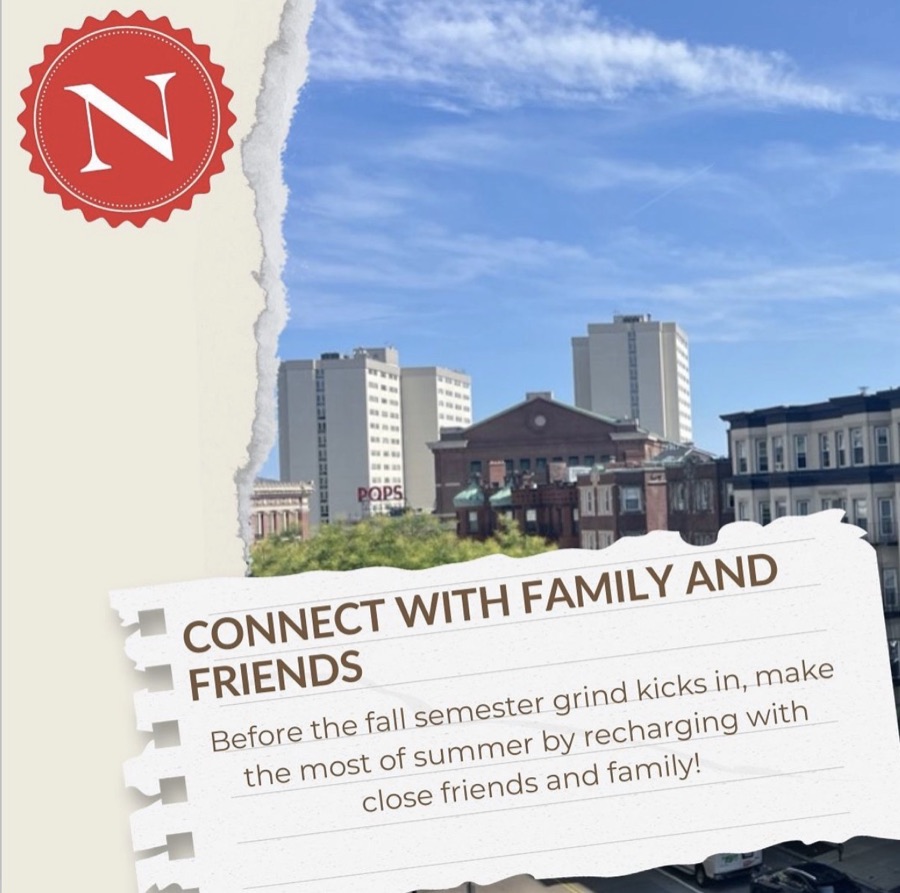
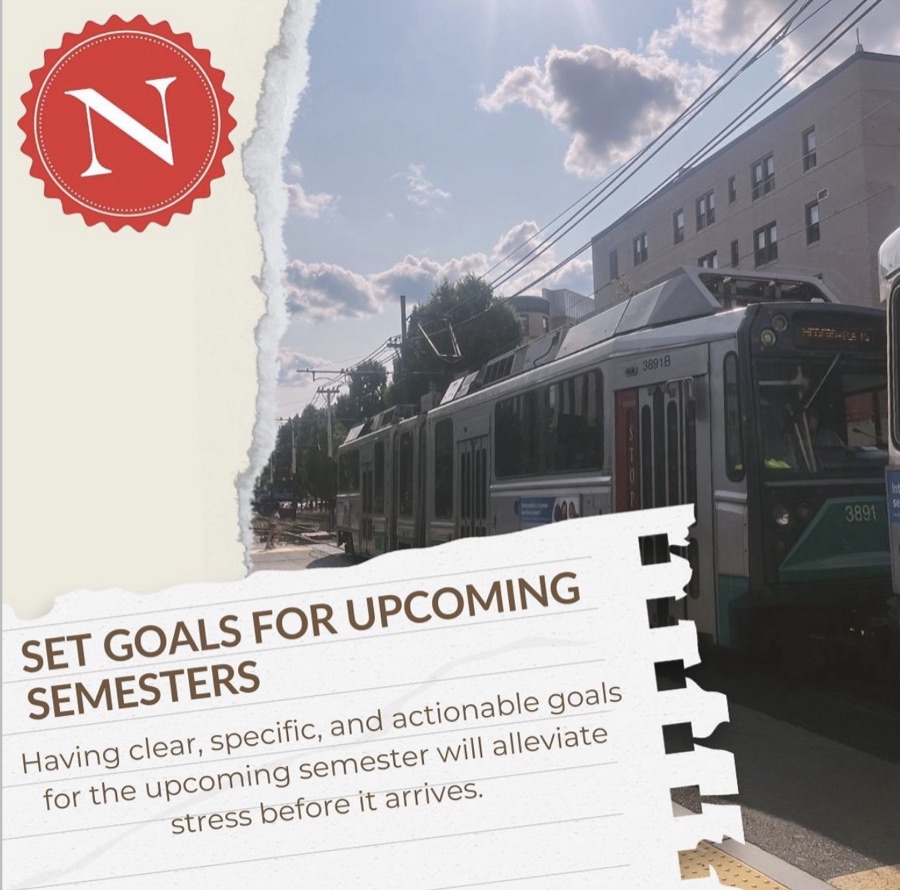
A photograph I took, then the one piece of stock in the whole run, then a drawn cover, then a photograph with drawn leaves over it. Three carry a date because they answered something time-bound. The first carries a series name instead, because it was built to run again.
THE CLOSE · THE SAME CARD, REPAINTED
One composition every time — the monogram, the four action chips, the ask, the hashtag — repainted in whatever the guide above it was wearing. The shape is the part a reader learns to recognise; the colour is what keeps a set of four from reading like a form letter.
And the ask is for the save, not the like. A saved post comes back at the moment it is needed, which for a co-op student is usually months later, at eleven at night, right before the thing they were dreading.
THE FORMAT · FOUR GUIDES, ONE TEMPLATE
Answering the question before it gets asked.
The account's job was rarely to announce something. It was to answer a question a student already had at eleven at night. That turned into a repeatable shape: a dated cover, one idea per card, and a closing slide asking the reader to save it for later. The skeleton never moved. Everything on top of it did.
Late summer, and the earliest of the four. This is the one that names itself: it opens on a series card rather than a date, because it was built to run again. Torn notebook paper over my own photographs of Boston, a hand-drawn sun, three ways to finish August before co-op season starts.